Latest Neurology Physician Work Openings


The individual anxious system stays one of the very complicated and exciting frontiers in medicine. As our comprehension of the mind and back evolves, therefore does the important need for medical specialists dedicated to treating the disorders that affect them. Selecting becoming a neurology specialist is a decision to enter a field explained by demanding rational problem and profound individual impact.

For medical students and people contemplating their future, neurologie (neurologie) provides a diverse array of career paths. However, the road to specialization is long, and the landscape of the career is shifting. Under, we examine the primary data and common issues surrounding that high-demand medical specialty.
What is the existing demand for neurologists?
The information about the neurology workforce offers an obvious photograph: there's an important supply-and-demand imbalance. Since the worldwide citizenry ages, the prevalence of neurological problems such as for instance Alzheimer's disease, Parkinson's disease, and stroke is increasing sharply.
Recent workforce studies project that the need for neurologists may continue to outpace the present for the next decade. By 2025, some estimates suggest a scarcity of almost 20% in the United Claims alone. This distance gifts an original opportunity for new physicians. Entering a field with such a high deficit assures job protection and provides power when negotiating roles in hospitals, individual methods, or academic institutions.
What're the educational demands?
The path to becoming a neurology consultant involves an amazing expense of time and academic work, usually spanning at least 12 decades after high school. The standard trajectory involves:
• Undergraduate Education (4 years): A bachelor's stage with a focus on pre-medical sciences.
• Medical College (4 years): Making an MD or DO degree.
• Internship (1 year): A preliminary year in internal medicine or a transitional program.
• Neurology Residency (3 years): Specific scientific training in neurology.
Following residency, several neurologists choose to pursue a fellowship. These programs often last one to couple of years and allow physicians to concentrate in market areas.
What sub-specialties are available?
Neurology is not just a monolith; it is really a vast umbrella protecting numerous sub-specialties. Concentrating on a specific area can considerably change a physician's everyday schedule and patient demographic. Frequent fellowships contain:
• Epilepsy: Focusing on the diagnosis and therapy of seizure disorders.
• Stroke (Vascular Neurology): Controlling acute swing individuals and prevention.
• Neuromuscular Medication: Managing situations affecting nerves and muscles, such as for instance ALS or neuropathy.
• Pediatric Neurology: Devoted to neurological problems in children.
• Headache Medication: Handling serious migraines and different frustration disorders.
Wherever do neurology specialists an average of function?
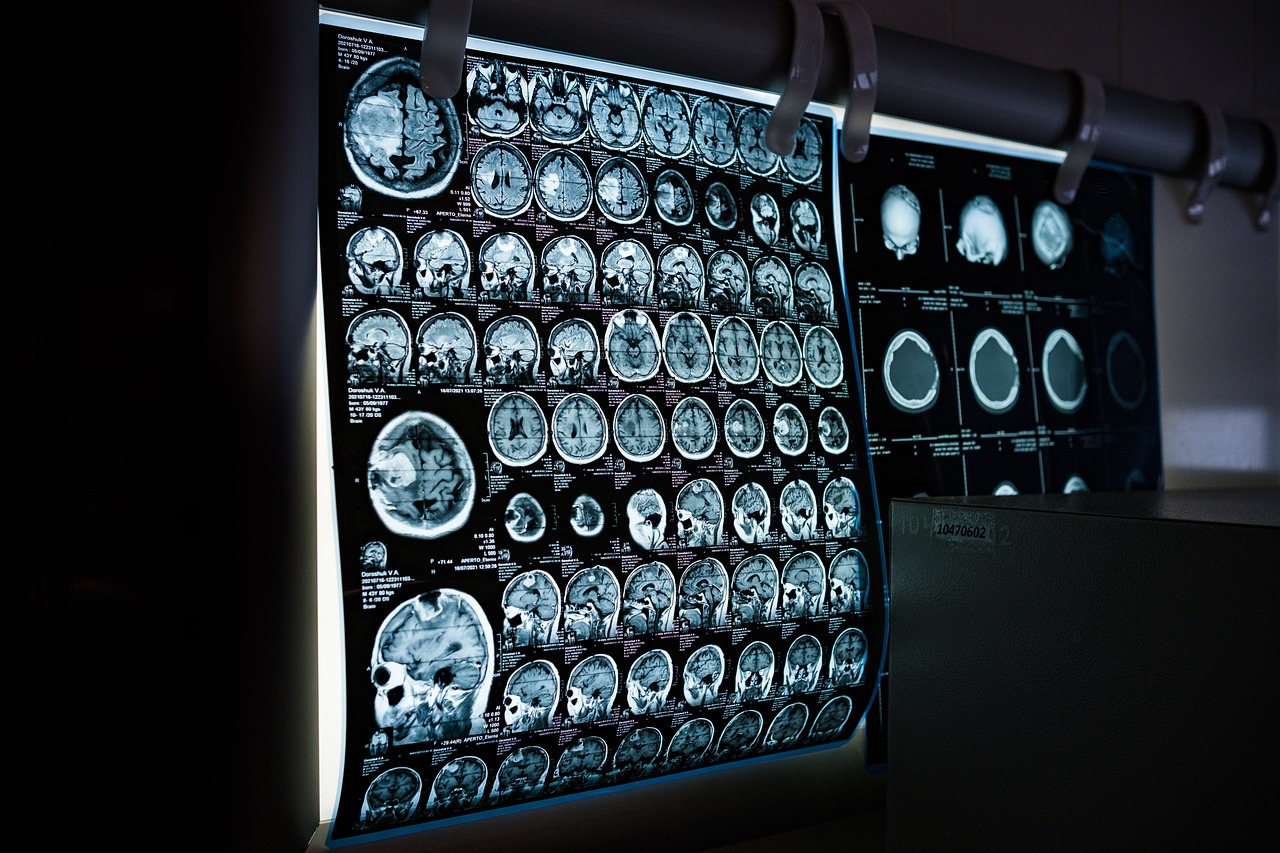
Job settings for neurologists are as varied while the sub-specialties.
• Academic Medical Stores: These tasks usually mix clinical care with teaching medical pupils and performing research.
• Private Practice: Physicians here usually have more autonomy over their schedules and business procedures, however administrative burdens may be higher.
• Hospitalists: A growing amount of neurologists perform strictly within hospitals, handling inpatient issues and consultations without sustaining an outpatient clinic.
• Study and Pharmaceutical: Some specialists move from primary individual treatment to develop new solutions or examine the simple mechanisms of mind disease.
Shaping the Potential of Mind Health
The job prospect for neurology specialists is robust. The mixture of an ageing citizenry and developments in neuro-therapeutics means that neurologists are far more essential than ever. For anyone willing to undertake the extensive instruction expected, the subject offers not merely economic balance, but the chance to stay at the forefront of medical finding and patient care.